The 5 most frequently asked questions about microcurrent therapy
-
What is microcurrent therapy?
Microcurrent therapy is a non-invasive treatment method that uses extremely weak electrical currents (in the microampere range) to support the body’s natural healing process and relieve pain. -
How does microcurrent therapy work?
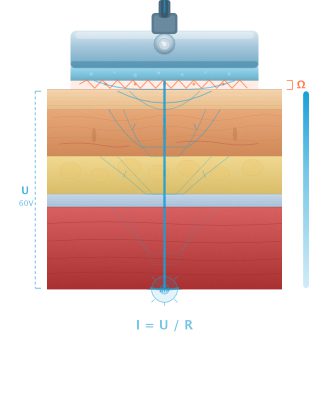
Microcurrent therapy works by delivering electrical pulses to the affected tissue or muscles. These pulses mimic the body’s natural electrical currents and promote cell regeneration, blood circulation and the release of the body’s own pain-relieving substances, such as endorphins. -
What conditions is microcurrent therapy suitable for? Microcurrent
therapy is frequently used to treat a wide range of conditions, including chronic pain, inflammation, muscle tension, arthritis, wound healing, fibromyalgia and sports injuries. -
Is microcurrent therapy safe, and are there any side effects? Microcurrent
therapy is considered safe and non-invasive, with minimal to no side effects. Most people find the treatment painless. In rare cases, however, skin irritation or mild discomfort may occur in the treated area. -
How long does it take for microcurrent therapy to take effect, and how often should it be used?
The effects of microcurrent therapy can vary from person to person. Some people experience immediate relief, whilst others may need several sessions to notice a noticeable improvement. The number of sessions required depends on the type and severity of the symptoms. A therapist can draw up a personalised treatment plan based on the patient’s needs.