Microcurrent and the lymphatic system
Podcast on lymphatic drainage using microcurrent
This episode focuses on a side effect of therapy using LuXXaMed frequency-specific microcurrent. We explore whether, and to what extent, LuXXaMed therapy is suitable for improving lymphatic flow in the tissues, and how it can be used in post-operative or post-traumatic therapy.
You are currently viewing a placeholder content from Default. To access the actual content, click the button below. Please note that doing so will share data with third-party providers.
More Information
The lymphatic system plays a crucial role in regulating bodily fluids and removing waste products from our cells. Unfortunately, this system can sometimes become unbalanced – whether due to injuries, operations or illnesses. This can lead to a build-up of fluid in the tissues, known as lymphoedema. In such cases, improved lymphatic drainage can support the healing process and reduce swelling.
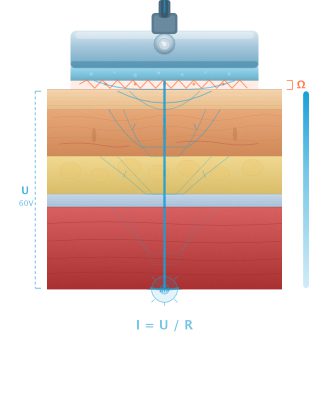
This is where LuXXaMed microcurrent therapy comes into play. By applying specific, low-frequency electrical currents, we can stimulate and improve lymphatic drainage in the affected area. This has the dual benefit of both promoting the removal of waste products and increasing the supply of nutrients to the cells, which supports regeneration.
The use of microcurrent is particularly promising in the field of post-operative and post-traumatic therapy. Following an operation or injury, efficient lymphatic drainage is crucial to enabling rapid and effective healing. By stimulating the lymphatic system, microcurrent therapy can help to reduce swelling, relieve pain and shorten the overall recovery time.
The Title
What exactly is the lymphatic system?
The lymphatic system is a complex network of lymphatic vessels, lymph nodes and other organs that plays a central role in our immune system. It is responsible for removing waste products and excess fluid from the tissues, for the production and transport of white blood cells (leukocytes), and for transporting fats from the intestines into the bloodstream.
The lymphatic system can be regarded as a complement to the blood circulation. Whilst blood is transported away from the heart to the tissues via the arteries and back to the heart via the veins, the lymphatic system carries fluid from the tissues back into the blood circulation. This fluid, known as lymph, contains not only water but also proteins, fats and waste products. It flows through the lymphatic vessels and is filtered in the lymph nodes before re-entering the bloodstream.
The lymph nodes, distributed along the lymphatic pathways, act as filtering stations where bacteria, viruses and other foreign substances are recognised and neutralised by specialised immune cells. Other organs of the lymphatic system, such as the tonsils, the thymus and the spleen, have specific functions within the immune system and contribute to the production and maturation of immune cells.
A healthy lymphatic system is therefore crucial for a well-functioning immune response and efficient detoxification of the body. Disorders of the lymphatic system, such as impaired lymphatic drainage or damage to the lymphatic vessels, can lead to fluid build-up in the tissues (lymphoedema) and increase the risk of infection.