The sciatic nerve: structure, function and treatment options
The sciatic nerve is the longest and thickest nerve in the human body. It originates in the lower back and runs through the buttocks and the back of the thigh to the feet. This nerve plays a crucial role in the motor function and sensitivity of the legs.

Anatomy and function of the sciatic nerve
Anatomically, the sciatic nerve arises from the L4 to S3 nerve roots of the lumbosacral plexus. From there, it passes through the foramen infrapiriforme, a passageway in the pelvic region, and then runs along the back of the thigh. At the back of the knee, it divides into two main branches: the tibial nerve and the peroneal commissural nerve. These branches then innervate the lower leg and foot.
The sciatic nerve has both motor and sensory functions. It is responsible for movement and sensation in the hip, thigh, knee, lower leg and foot. Without the sciatic nerve, running, jumping or even simply standing would not be possible.
Sciatic nerve pain and its causes
Sciatica, often referred to simply as sciatica, occurs when the sciatic nerve becomes irritated or compressed. The pain can be sharp, burning or even numb, and can extend from the lumbar spine through the thigh to the foot. The most common causes of sciatic pain include herniated discs, piriformis syndrome, spinal stenosis and more.
Treatment of the sciatic nerve
Treatment of the sciatic nerve depends on the underlying cause. One of the innovative treatment options is medical microcurrent therapy combined with LED light therapy.
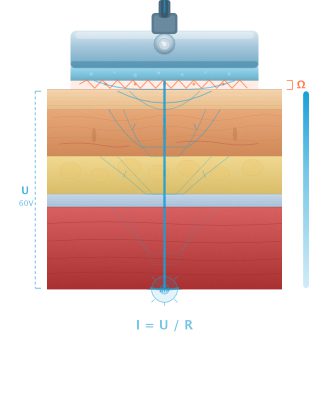
Medical microcurrent therapy uses low electrical currents to stimulate the body’s natural healing process. These currents can relieve pain, improve muscle function and reduce inflammation. The therapy is non-invasive and painless for most patients.
LED light therapy, also known as photobiomodulation, uses light of different wavelengths to stimulate cells and promote healing. When used to treat sciatica, LED light therapy can reduce inflammation, increase blood flow and lower the pain threshold.
The combination of medical microcurrent and LED light therapy can be particularly effective, as both methods work synergistically and can enhance the benefits of the other form of therapy.
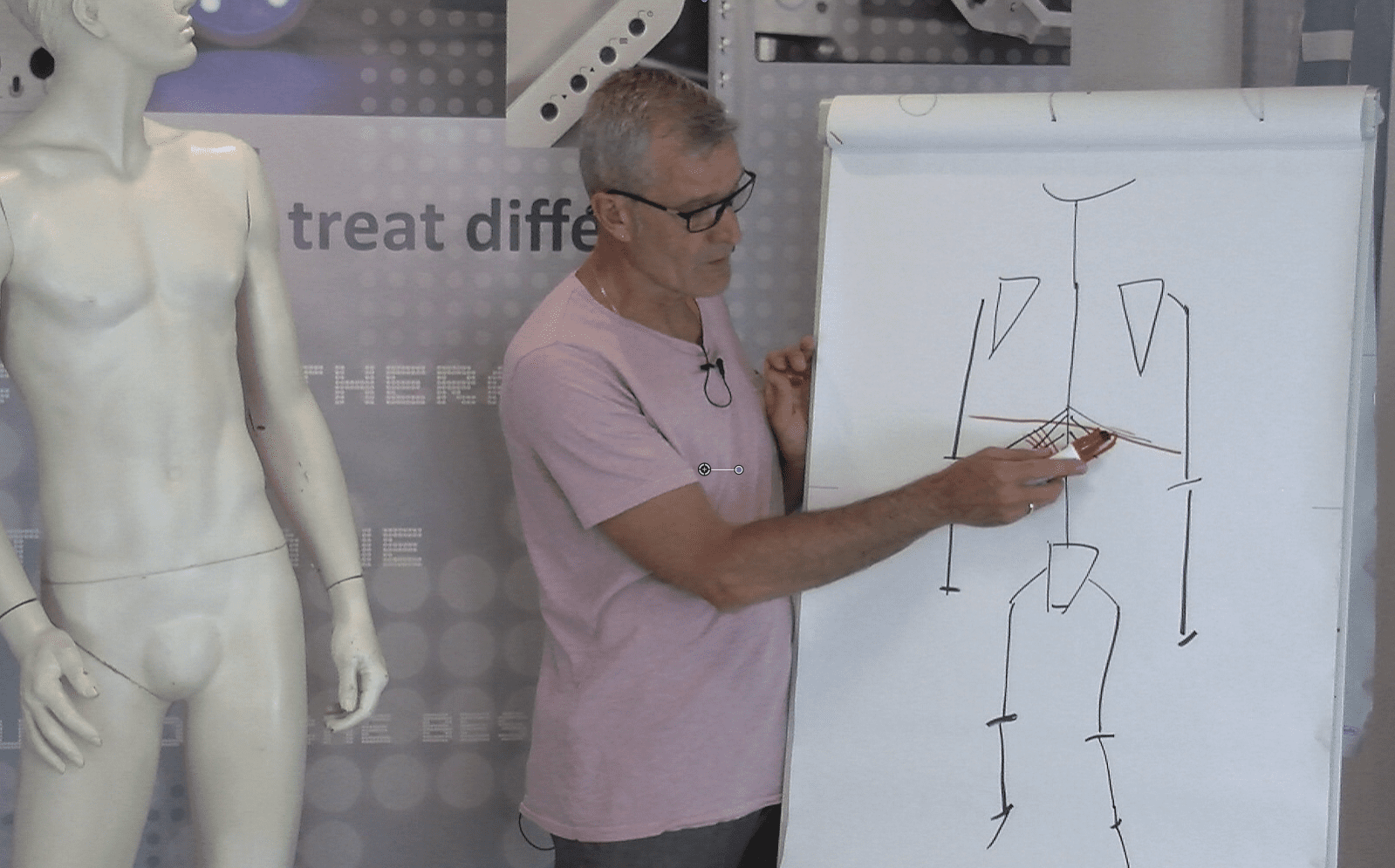
Piriformis Circuit

Conclusion
The sciatic nerve is an essential part of the human nervous system and plays a crucial role in the movement and sensation of the lower limbs. Sciatic pain can be extremely painful and significantly affect quality of life. However, modern medicine offers innovative treatment options such as medical microcurrent therapy and LED light therapy, which offer hope for relief and healing for many patients. It is always advisable to consult a doctor or therapist for an accurate diagnosis and a personalised treatment plan if pain or discomfort persists.
Sources
Hocking, Bruce (2002): ETPS Neuropathic Acupuncture. In: Pain Management Nursing: Official Journal of the American Society of Pain Management Nurses, Article 54, pp. 667–691.