The silent enemy: Borrelia infection and systemic inflammation
How FSM frequencies and microcurrent can help with a Borrelia infection

Borreliosis, also known as Lyme disease, is one of the world’s most common tick-borne diseases and frequently leads to systemic inflammatory reactions in the body. The disease is caused by the bacterium Borrelia burgdorferi and can trigger a wide range of symptoms, ranging from skin rashes and neurological problems to severe joint pain. This article aims to examine in more detail how a Borrelia infection can occur, the role played by systemic inflammation in this process, and how microcurrent can be used as a supportive treatment method.
How does a Borrelia infection occur?
The most common route of transmission for Borrelia is tick bites, particularly from the common wood tick (Ixodes ricinus) in Europe and the common castor tick (Ixodes scapularis) in the USA. These ticks are often mistakenly referred to as ‘Lyme ticks’ because they can transmit Lyme borreliosis, but it is important to emphasise that not all ticks carry Borrelia bacteria.
The transmission process begins when an infected tick feeds on the blood of a host (human or animal). The Borrelia bacteria are found in the tick’s stomach and can be transmitted to the host during the feeding process. This process usually takes at least 24 hours, which is why prompt removal of the tick can reduce the likelihood of infection.
The role of systemic inflammation in Borrelia infections
Once Borrelia bacteria have entered the human body, they can trigger various immune responses. One of the earliest symptoms of Lyme disease is often a skin rash, known as erythema migrans, which appears at the site of the tick bite and may spread. This is the visible sign of a local inflammatory reaction.
As the infection progresses, Borrelia burgdorferi can spread via the bloodstream and lead to systemic inflammatory reactions. These systemic inflammatory reactions are partly due to the immune system’s response to the presence of the bacterium. Cytokines and other pro-inflammatory molecules are released, which can lead to a variety of symptoms such as fever, fatigue and visual disturbances.
If the infection is not treated properly, it can develop into a protracted or chronic form of Lyme disease. At this stage, the persistent systemic inflammation can lead to further health problems such as arthritis, heart problems and severe neurological disorders.
The use of microcurrent in the treatment of Lyme disease
Get your ebook now, packed with information on the application, science and areas of use. You’ll also receive a free newsletter and a personalised guide featuring videos and further information!

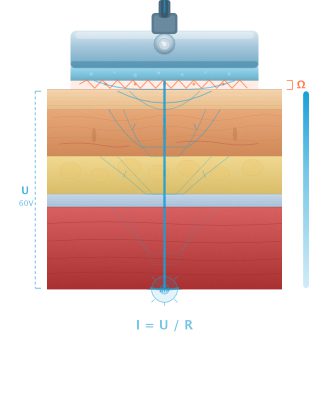
In recent years, the use of microcurrent therapy as a complementary treatment for Lyme disease has gained popularity. This form of therapy uses very weak electrical currents to restore the natural electrical state of the cells and promote healing. It is important to note that the microcurrent does not directly attack the Borrelia bacteria, but rather serves to reduce the systemic inflammation caused by the infection and to support the body’s general healing process.
Microcurrent therapy is often used as a complementary measure alongside conventional antibiotic treatment. It can help to relieve inflammation-related pain, improve blood circulation and strengthen the overall function of the immune system. This can be particularly helpful for patients with chronic forms of Lyme disease, where systemic inflammation and its consequences are the main concern.
In our forum for practitioners of medical microcurrent therapy (doctors, physiotherapists, alternative practitioners and occupational therapists), we have already held several discussions on this topic and, to support the use of FSM (frequency-specific microcurrent therapy), have also provided a list of possible frequencies.
Selection of frequencies:
| Frequency (Hz) | Condition | Tissue/system |
|---|---|---|
| 396 Hz | Emotional stress | Nerves/neurological |
| 95 Hz | Energy regulation | Systemic/energy centres |
| 116 Hz | Inflammation | Immune system |
| 10 Hz | Neural repair | Nervous system / Spine |
Extract of specific frequencies based on McMakin 2011
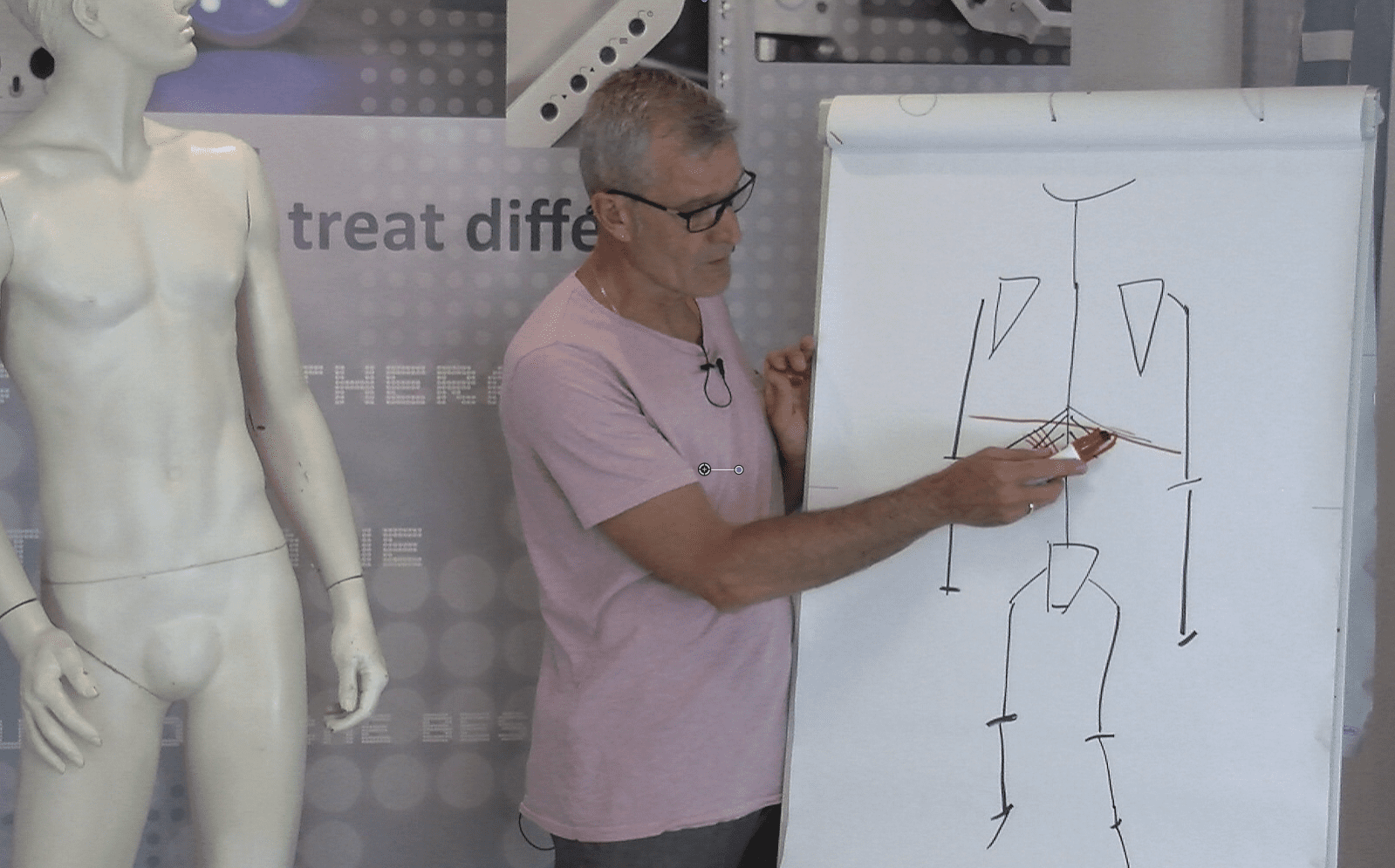
There are also diagrams of electrode set-ups and a recommendation from a naturopath regarding the complementary use of DMSO for Lyme disease.
Studies by Gg (2004) and Schardt (2023) highlight the effectiveness of physical therapies, including microcurrent therapy, particularly in cases of long-term neuroborreliosis. This form of therapy, combined with antibiotics, as proposed by Korenberg (1996), Goldsmid (1972), Riede (2015), Kollikowski (2004) and Płusa (2017), shows promising results.
Conclusion
Lyme disease is a complex condition which, without adequate treatment, can lead to serious and long-term health problems. Systemic inflammation plays a central role in the development of symptoms and the progression of the disease. Microcurrent therapy offers a promising complementary treatment option that may help to reduce inflammation and support the healing process. However, as with all medical treatments, it is important that patients undergo this therapy under the supervision of qualified medical staff and in combination with other established treatment methods.