Frequency-specific microcurrent therapy for Arthorse
What is the evidence base regarding the use of frequency-specific microcurrents for osteoarthritis?
Osteoarthritis, a degenerative joint disease, is one of the leading causes of pain and disability worldwide. This condition is characterised by the breakdown of joint cartilage, leading to pain, stiffness and reduced mobility (Glyn-Jones et al., 2015). In modern medicine, various treatment strategies are employed to alleviate symptoms and improve the quality of life of those affected. One such innovative form of therapy is the use of frequency-specific microcurrent, which is becoming increasingly important.


What is microcurrent therapy?
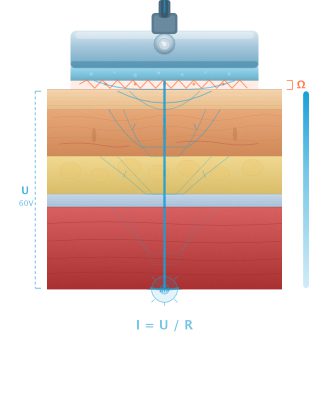
Microcurrent therapy uses extremely low electrical currents (microcurrents) to promote the body’s natural healing process by stimulating cell function and reducing pain perception. This form of therapy is non-invasive and offers a pain-free alternative for treating a range of musculoskeletal conditions, including osteoarthritis (McMakin, 2004).
Evidence-based efficacy in osteoarthritis
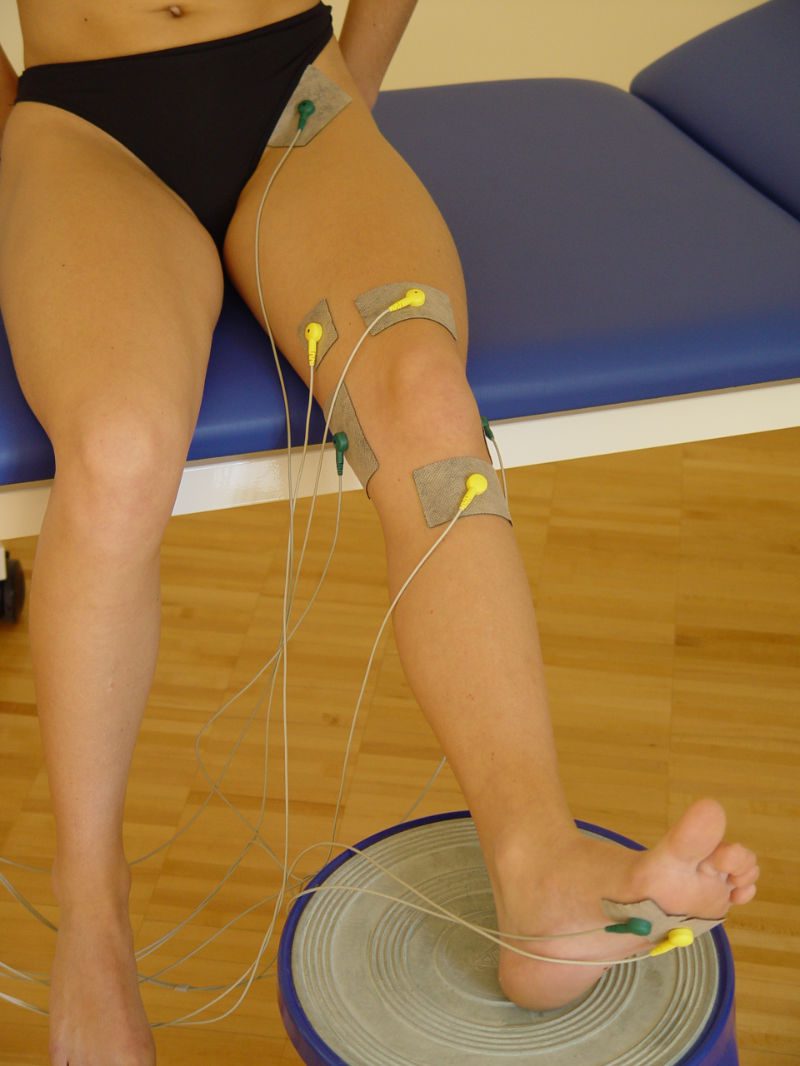
Studies have substantiated the effectiveness of microcurrent therapy in the treatment of osteoarthritis, particularly knee osteoarthritis. In their randomised controlled trial, Ranker et al. (2020) demonstrated significant improvements in terms of pain relief and functional improvement in patients with knee osteoarthritis. These findings are consistent with the research results of Lawson et al. (2020), who also observed a significant reduction in pain and improvement in function in cases of acute knee pain.
In addition to pain relief, microcurrent therapy has been found to accelerate wound healing and reduce pain associated with chronic wounds, further highlighting its versatility (Nair, 2018; Lee, 2007).
Mechanisms underlying its efficacy in osteoarthritis
The underlying mechanisms that explain the efficacy of microcurrent therapy include the stimulation of ATP production, the promotion of cell proliferation and the reduction of inflammatory processes. Specific microcurrent frequencies appear to target particular cellular functions, thereby enabling individualised treatment (McMakin, 2004).
Clinical relevance and application in Germany
In Germany, the effectiveness of microcurrent therapy was investigated in a study by Rockstroh et al. (2010) in patients following total knee replacement surgery. The study demonstrated significant post-operative effects of microcurrent therapy, underlining its importance as an adjuvant therapy.
Conclusion
In summary, microcurrent therapy offers a promising option for the treatment of osteoarthritis and other musculoskeletal conditions. Through its ability to relieve pain, improve function and accelerate the healing process, it represents a valuable addition to the therapeutic arsenal. Further research is required to realise the full potential of this therapy and to develop personalised treatment protocols that best meet patients’ needs.
References
-
Glyn-Jones, S., et al. (2015). Osteoarthritis. Lancet, 386(9991), 376–387.
-
McMakin, C. R. (2004). Microcurrent therapy: a novel treatment method for chronic low back myofascial pain. Journal of Bodywork and Movement Therapies, 8(2), 143–153.
-
Ranker, A., et al. (2020). Microcurrent therapy in the treatment of knee osteoarthritis: could it be more than a placebo effect? A randomised controlled trial. European Journal of Physical and Rehabilitation Medicine, 56(4), 459–468.
-
Lawson, D., et al. (2020). Efficacy of microcurrent therapy for the treatment of acute knee pain: A randomised, double-blind, controlled clinical trial. Clinical Rehabilitation, 35(3), 390–398.
-
Lee, B. Y., et al. (2007). Ultra-low microcurrent therapy: A novel approach for the treatment of chronic, non-healing wounds. Advances in Therapy, 24(6), 1202–1209.
-
Nair, H. K. R. (2018). Microcurrent as an adjunct therapy to accelerate chronic wound healing and reduce patient pain. Journal of Wound Care, 27(5), 296–306.
-
Rockstroh, G., et al. (2010). The benefits of microcurrent therapy administered during inpatient follow-up treatment in patients following total knee replacement. Rehabilitation, 49(03), 173–179.