Is microcurrent therapy for osteoarthritis more than just a placebo?
The study, entitled ‘Microcurrent therapy in the treatment of knee osteoarthritis: could it be more than a placebo effect?’, examines the efficacy of microcurrent therapy (MCT) in the treatment of knee osteoarthritis. The study investigated whether MCT has pain-relieving effects that go beyond the placebo effect.
Background
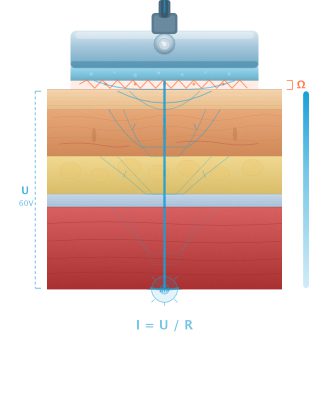
Osteoarthritis (OA) is a degenerative joint disease characterised by the loss of joint cartilage. The most common symptoms are morning stiffness, pain that worsens as the day progresses, and restricted range of motion. Traditional treatments such as physiotherapy, electrotherapy and medication have proven effective in alleviating these symptoms. MCT is a newer form of electrotherapy that operates at very low current levels and is used in the treatment of pain and tissue repair processes.
Aim of the study
The aim of this randomised, controlled study was to investigate the potential effects of MCT on pain in patients with knee OA and to distinguish these from possible placebo effects. Furthermore, the study aimed to investigate the influence of different treatment settings and parameters on pain reduction.
Study design
The study was designed as a four-arm, randomised, double-blind, controlled clinical trial. A total of 56 patients were divided into four groups:
- Group A: MCT at 100 µA
- Group B: MCT at 25 µA
- Group C: sham therapy without electrical current
- Group D: Control group without intervention
Each group received 10 MCT sessions, each lasting 30 minutes, over a period of 22 days. The primary outcome measure was pain intensity, assessed using a numerical rating scale (0–10). Secondary outcomes included the Knee Osteoarthritis Outcome Score (KOOS), the SF-36 quality of life questionnaire, the six-minute walk test and the Get-up-and-Go test.
Results
The results showed that evening pain intensity in groups A and B (both MCT groups) was significantly lower than in the sham group (group C) and the control group (group D). This suggests that MCT is effective in alleviating pain and that this effect is not attributable to a placebo effect. However, there was no significant difference between the two MCT groups in terms of current intensity (100 µA vs. 25 µA).
Interestingly, the sham group showed no significant improvement compared with the control group, which points to the efficacy of MCT. In the secondary outcomes, the MCT groups showed improvements in KOOS symptoms and activities of daily living.
Discussion
The study shows that MCT is effective in the treatment of knee osteoarthritis, particularly in reducing pain. The results suggest that this effect cannot be explained by a placebo effect. However, the differences between the various intensity levels (100 µA vs. 25 µA) were not significant, indicating the need for further research to determine the optimal parameters for MCT.
Conclusion
This study provides initial evidence that MCT could be a promising treatment option for patients with knee osteoarthritis, particularly for those who are sensitive to higher current intensities. As the results are promising but require further confirmation, additional high-quality studies are needed to clarify the efficacy and optimal treatment parameters of MCT.
Should you require further details or specific information regarding the study, I am available to provide them.