TCM – Traditional Chinese Medicine
The connection between the meridians and Traditional Chinese Medicine (TCM) is explained by the philosophy of yin and yang. Yin and yang represent opposing forces in nature and are interdependent. In TCM, health therefore means a dynamic balance between these two forces. A state of illness is regarded as an imbalance, which should be restored through the application of appropriate measures.
TCM regards the human body as a network of meridians that transport energy (Qi). Blockages or disruptions to the flow of energy can lead to health problems. The use of electroacupuncture and microcurrent therapy can help to restore the flow of energy and re-establish the balance between Yin and Yang.
The following methods are used in TCM:
- Movement exercises such as Tai Chi and Qi Gong
- Acupuncture
- Phytotherapy, Chinese herbal medicine
- Diet
- Massage techniques such as Tuina and acupressure
TCM and microcurrent therapy
Traditional Chinese Medicine (TCM) regards the human body as an energetic system in which the function of organs and systems is regulated by the flow of energy (Qi). In TCM, 14 main meridians are identified, which transport energy through the body.
In modern therapy, Voll’s electroacupuncture (EAV) combines TCM concepts with the application of microcurrents. By applying microcurrents to specific acupuncture points, the flow of energy in the body is regulated and physical function is improved.
Example of meridian therapy:

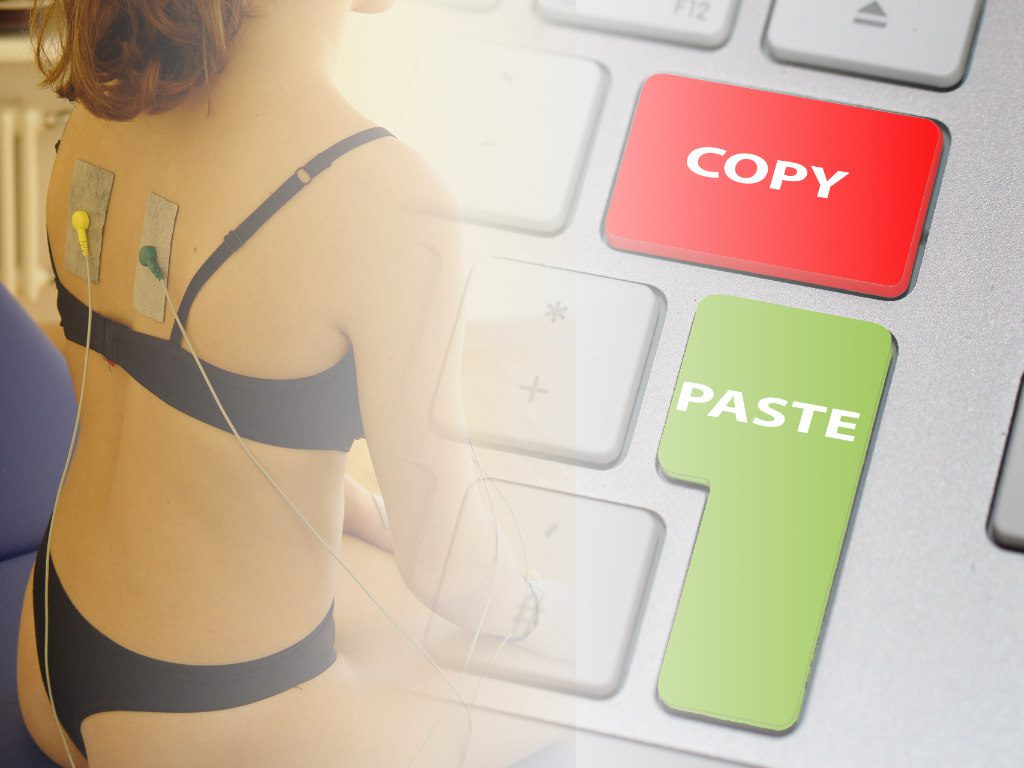
Example of a classic arrangement of adhesive electrodes, taking into account the kidney and bladder meridians:

This term appears in
- TCM meets Mikrostrom
- TCM und Mikrostrom
- Superhelden-Seminar-BCR-Therapie-Luxxamed-Mikrostrom
- Experience Luxxamed microcurrent autoimmune diseases
- Erfahrung Luxxamed Mikrostrom Autoimmunerkrankungen
- Interview DOSB-Sport-Physiotherapeut und Osteopath Frank Leutz
- Teil 2/3 Interview Physiotherapeut Matthias Rother
- Mikrostromtherapie Klebeelektrodenanlagen
- Kinesiology
- Kinesiologie
- TCM